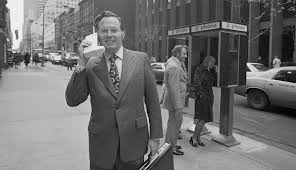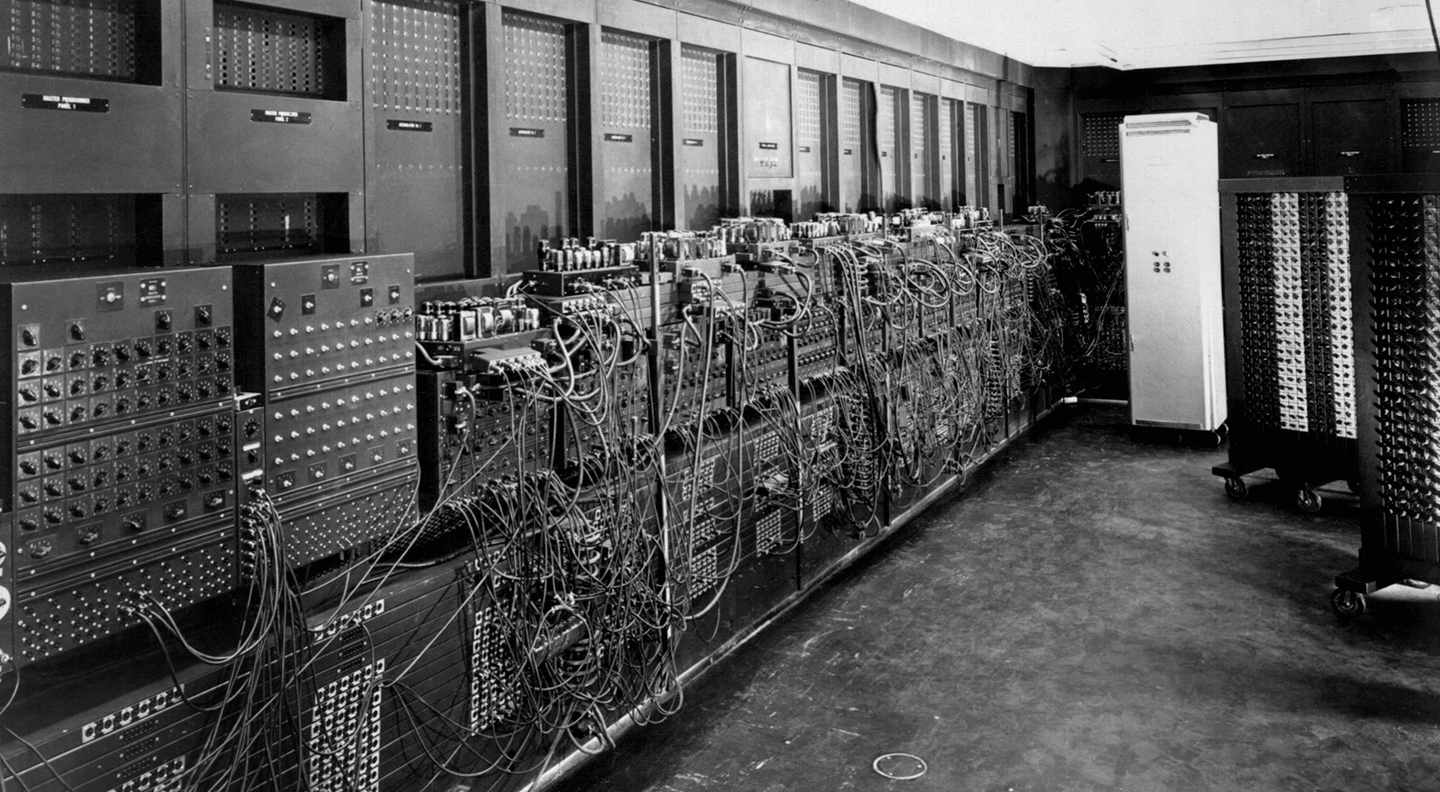
When you think of digital technology in a historical context you may think that digital items have not been around long enough to been viewed through a historical lens. While the digital age is a recent phenomenon we can see digitization further into the past than you might think. Low level computers were being used as far back as 1946 for military artillery range determination. Digital technology has gone through huge advancements since them, leading to the advanced world we live in today. Some technologies that we use today are still not digital though, an example of this would be telephone calls completed using land lines. Calls placed with cellphones on the other hand use digital technology.
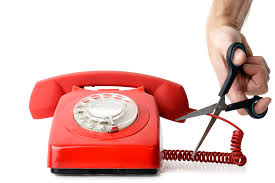
Some people today have speculated about how it might be possible to convert home phones that use landlines to a digital technology. This has brought up conversation about the advantages of using digital versus Analog technology. The speed of adaptation from analog to digital depends of the usefulness of the conversion. For cell-phones it always made sense to be digital, but for landlines, the conversion is only happening now due to the lack of need for it. Landline phones using copper wires are often cheaper to set up and maintain. People also like the clearness of the call when using an analog connection. Additionally the switch to digital is more expensive than using analog phones and the benefits of doing so are not extremely appealing. Some companies are still making the switch due to benefits like easier scalability with business growth and capabilities like wifi calling through your computer. As our world progresses the switch to digital will likely end up being done by more and more products as we see large scale digitization currently. While this is happening products that are effectively analog will likely continue to be used.